


Page 150 - 南京医科大学自然版
P. 150
第46卷第10期
               ·1580 ·                           南 京    医 科 大 学 学         报                        2026年10月


             (续表2)
                                                                                     Clinical translational
               Year     Core discovery   Key target  Tumor type  Resistance mechanism                 Reference
                                                                                        significance
               2024  circCOL1A1 promotes circCOL1A1  Colorectal can⁃ Enhances glutamine catab⁃ circCOL1A1 as a prog⁃  [24]
                    glutaminolysis through miR⁃214⁃3p,  cer    olism,provides energy and nostic marker,target⁃
                    the miR⁃ 214⁃3p/GLS1 GLS1                  biosynthetic  precursors,ing this axis can inhibit
                    axis                                       promotes tumor prolifera⁃ tumor metabolism and
                                                               tion and metastasis  progression
               2025  The mitochondrial glu⁃ SLC1A5_var, Pancreatic can⁃ iMQT ⁃ 020 blocks mito⁃ Highly selective and  [31]
                    tamine transporter  iMQT ⁃ 020(al⁃ cer,lung can⁃ chondrial glutamine up⁃ low ⁃ toxicity metabolic
                    SLC1A5_var  and  its losteric inhibi⁃ cer,breast can⁃ take,leading to TCA cycle inhibitor, synergistic
                    allosteric inhibitor  tory site)  cer,and multi⁃ impairment,reduced GSH with PD⁃1/PD⁃L1 anti⁃
                    iMQT⁃020 achieve spa⁃          ple  solid  tu⁃ synthesis,and ROS accu⁃ bodies,providing a new
                    tially specific targeting      mors        mulation,triggering energy strategy  to  overcome
                    of tumor glutamine me⁃                     crisis and oxidative stress,GLS  inhibitor  resis⁃
                    tabolismforthe first time                  and inducing tumor cell tance
                                                               death

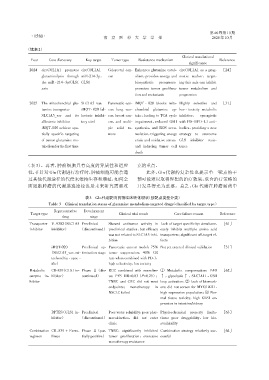
             (表 3)。再者,肿瘤细胞具有高度的异质性和适应                           克的重点。
              性,在针对Gln代谢进行治疗时,肿瘤细胞可能会通                               此外,Gln 代谢的复杂性也提示单一靶点的干
              过其他代谢途径的代偿来维持生存和增殖,如何全                            预可能难以取得理想的治疗效果,联合治疗策略的
              面阻断肿瘤的代谢逃逸途径也是未来研究需要攻                             开发显得尤为重要。总之,Gln 代谢在肿瘤耐药中

                                        表3 Gln代谢靶向药物临床转化现状(按靶点类型分类)
                       Table 3 Clinical translation status of glutamine metabolism⁃targeted drugs(classified by target type)
                          Representative  Development
               Target type                              Clinical trial result    Core failure reason  Reference
                              drug         stage
               Transporter  V⁃9302(SLC1A5 Preclinical  Showed antitumor activity in Lack of target specificity:simultane⁃  [61]
               inhibitor  inhibitor)  (discontinued) preclinical studies,but efficacy ously inhibits multiple amino acid
                                                   was not related to SLC1A5 inhi⁃ transporters;significant off⁃target ef⁃
                                                   bition                  fects
                         iMQT⁃020      Preclinical op⁃ Pancreatic cancer model:75% Not yet entered clinical validation  [31]
                        (SLC1A5_var,mi⁃ timization stage tumor suppression,40% CR
                         tochondria ⁃ spec ⁃       rate when combined with PD⁃1,
                         ific)                     high selectivity,low toxicity

               Metabolic  CB⁃839(GLS1 in⁃ Phase Ⅱ(dis⁃ RCC combined with everolim⁃ ① Metabolic compensation:FAO  [62]
               enzyme in⁃ hibitor)     continued)  us:PFS HR=0.83(P=0.29);↑ ,glycolysis ↑ ,SLC7A11 ⁃ GSH
               hibitor                             TNBC and CRC did not meet loop activation;② Lack of biomark⁃
                                                   endpoints; monotherapy  in ers:did not screen for MYC/LKB1⁃
                                                   NSCLC failed            high expression population;③ Nor⁃
                                                                           mal tissue toxicity:high GLS1 ex⁃
                                                                           pression in intestine/kidney

                         BPTES(GLS1 in⁃ Preclinical  Poor water solubility,poor phar⁃ Physicochemical  property  limita⁃  [63]
                         hibitor)     (discontinued) macokinetics, did not enter tions:poor druggability,low bio⁃
                                                   clinic                  availability
               Combination CB⁃839 + Evero⁃ Phase Ⅱ(par⁃ TNBC:significantly inhibited Combination strategy relatively suc⁃  [64]
               regimen   limus         tially positive) tumor proliferation,overcame cessful
                                                   monotherapy resistance

